
Prism Medical UK donated and installed the patient transfer equipment that made his return possible, as part of the DIY SOS build.
 Daniel received a life-saving operation to remove a brain tumour, which left him severely disabled. The family home he had grown up in was no longer suitable for his needs, meaning Daniel lived in hospital for almost three years. In the summer of 2025, DIY SOS, with the support of the community and numerous tradespeople, renovated Daniel’s family home in Freckleton, to change that.
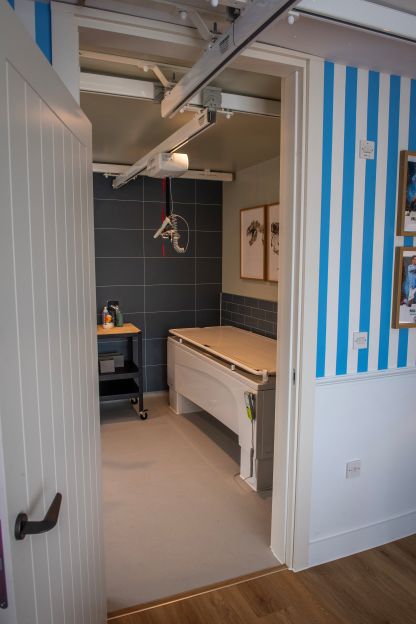
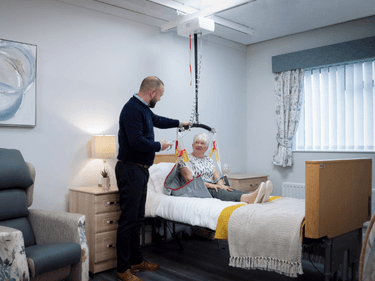
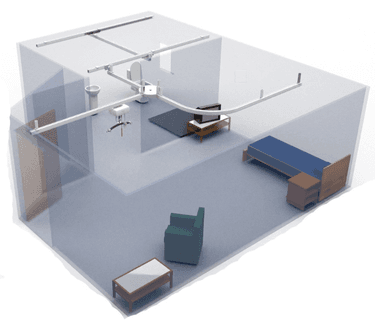
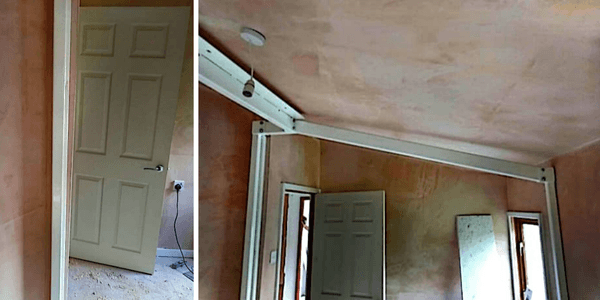
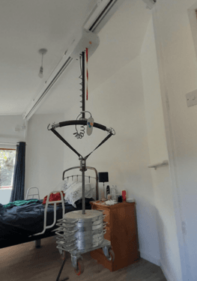
The renovations included plans to knock a wall down to create a new bedroom and bathroom. Prism Medical UK was asked to support with the donation and installation of a ceiling track hoist system. The system comprised a Freeway Transactive Xtra 130 ceiling hoist, a double H-system and a transition gate to link the systems. This is only the second double H-system install on a DIY SOS build, following the successful installation by Prism Medical UK at the Bracknell build in 2025.
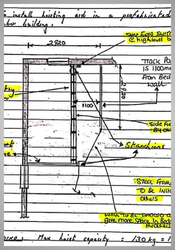
An initial site survey was carried out by Prism Medical UK’s Major Projects Team, who supported the Prism engineering team with site preparation, installation and testing.
Rachel Davis, Head of Marketing for Prism Healthcare Group commented, “DIY SOS is a well-loved show, with a strong commitment to bringing tradespeople and suppliers together to transform the lives of genuinely deserving individuals. The Prism Healthcare Group of companies is dedicated to helping people of all ages and abilities carry out everyday activities that most of us take for granted. We were very proud to be asked to support this initiative to transform the life of Daniel and his family.”
Daniel’s family described the result as “unbelievable” and are delighted to have him home after almost three years in hospital. The episode is available to watch on iPlayer.

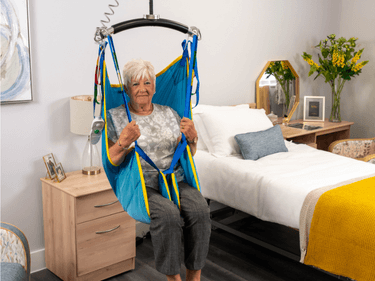
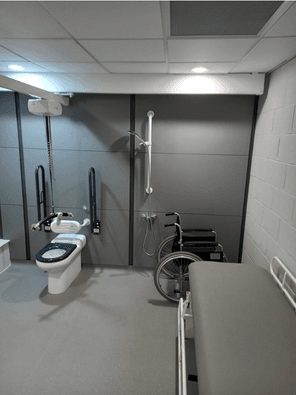
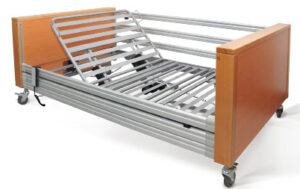
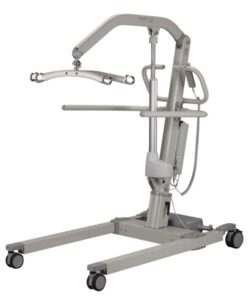
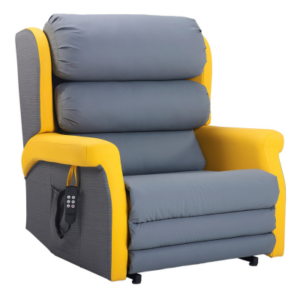
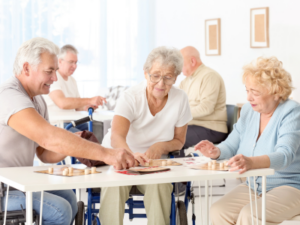 As society ages, the demand for day-to-day living support continues to rise. However, social care faces challenges amidst this growing need, particularly with funding cuts that have led to staff shortages and reduced training opportunities. In navigating these troubled waters, ensuring the safety and well-being of carers and those they support becomes paramount. If you have concerns regarding the safe handling of a loved one, we encourage you to contact your local social services department and request an Occupational Therapy review of the moving and handling risk assessment and plan.
 In healthcare environments, moving and lifting individuals is a common task that demands precision and care. Any ‘caregiver’ that needs to move or lift a person is at a high risk of lumbar complaints or disorders.1 When performed correctly, it enhances independence and quality of life while minimising the risk of injury.2 A 2013 study testing different patient transfer types showed that the lumbar load was considerably reduced when using optimised techniques or assistance aids.3 However, inadequate training and improper techniques can result in accidents and discomfort for carers and clients.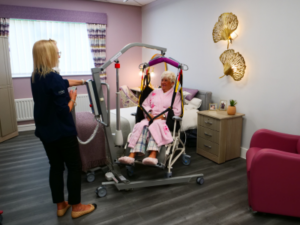
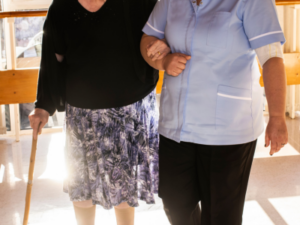
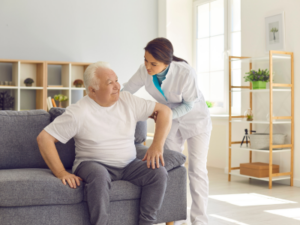 Also known as the underarm lift, this is when the client is lifted or supported under the armpit. It is typically used to lift someone up the bed, support them from sitting to standing or help them from the floor. It is done by hooking the elbow around the client’s arm, just under the armpit, and dragging them to the desired position.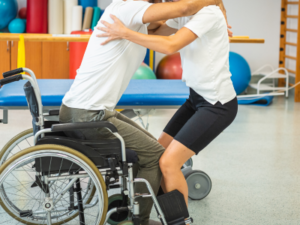
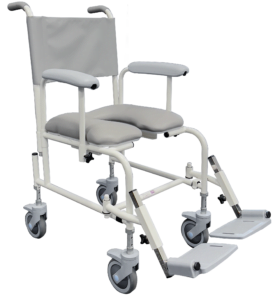
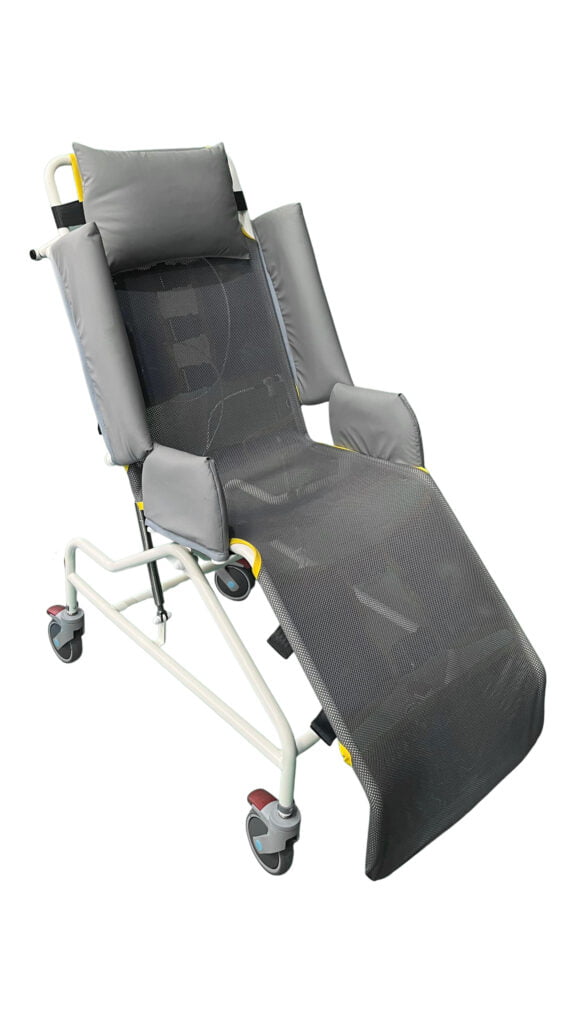 The shower cradle is the natural progression for individuals who require more support and stability than a traditional shower chair can provide. Available in various widths, the cradle is designed to fit most showers and comes with a range of features that make it both comfortable and hygienic.